


Kerala's backwaters are not just a network of waterways; they are a lived-in landscape of canals, paddy fields, and villages where everyday life unfolds along the water's edge. Walking allows you to slow down and observe the rhythms of rural Kerala—women washing clothes at the ghats, children cycling to school, and fishermen mending nets. The narrow paths that crisscross the region are often lined with coconut palms and dotted with small temples and tea shops. Unlike a boat trip, which can feel like a packaged tour, walking lets you interact with locals and stumble upon hidden corners. The best months for walking are from November to February, when the weather is dry and relatively cool.
Contrary to popular belief, you don't need a boat to appreciate the backwaters. Many villages are connected by a network of footpaths and small bridges that offer intimate views of the canals and the life around them. The Kerala backwaters stretch across several districts, including Alappuzha, Kottayam, and Ernakulam. While Alappuzha is the most famous hub, quieter areas like Kumarakom and Munroe Island offer equally scenic walks without the crowds. Walking is also a more sustainable and affordable option, allowing you to cover short distances at your own pace. Just remember to carry water, wear comfortable shoes, and respect the privacy of residents.
A good place to start is Alappuzha, often called the Venice of the East. The town itself has pleasant walkways along the canals, but for a more rural experience, head to the surrounding villages like Kainakary or Champakulam. From Alappuzha town, you can take a short auto-rickshaw ride to the starting points. Another excellent area is Munroe Island in Kollam district, where narrow canals and footbridges connect small hamlets. The island is best explored on foot, and you can easily spend a day walking from one end to the other. For those based in Kochi, the nearby village of Kumbalangi is a model fishing village that welcomes tourists and offers guided walks.
When planning your walk, consider the distance and terrain. Paths can be uneven, and some areas may be muddy after rain. It's best to start early in the morning to avoid the heat and to catch the village at its most active. A typical walk might cover 5 to 10 kilometers, depending on your pace and interest. You can plot a route using online maps, but local advice is invaluable—ask at your hotel or homestay for recommended paths. Many guesthouses can arrange a guide or provide a map. If you're based in Thiruvananthapuram or Palakkad and want to explore the backwaters, the nearest backwater areas are a few hours' drive away, so consider an overnight stay.
Walking through the backwater villages, you'll encounter a variety of sights and activities. In Kainakary, you can visit the St. Mary's Church and watch coir-making, a traditional industry. In Champakulam, the ancient St. Mary's Basilica is worth a stop, and the annual snake boat race in July is a major event. Munroe Island is known for its coir and cashew processing, and you might see workers drying coconut husks along the roads. Birdwatchers should head to Kumarakom, where the bird sanctuary is best explored on foot; early morning walks yield sightings of herons, egrets, and kingfishers. Along the way, you'll find small tea shops where you can refresh with a cup of chai and a snack.
Don't miss the chance to sample local cuisine. Many villagers sell fresh produce, and some homestays offer cooking classes. A walk through the backwaters is also a lesson in sustainable living—you'll see how houses are built on narrow strips of land, how rainwater is harvested, and how canals are used for transport. If you're interested in culture, visit the temples and churches that dot the landscape; some are centuries old. However, be mindful of religious customs and dress modestly. Photography is generally welcome, but always ask before taking pictures of people. And while you might be tempted to help with chores, it's best to observe respectfully.
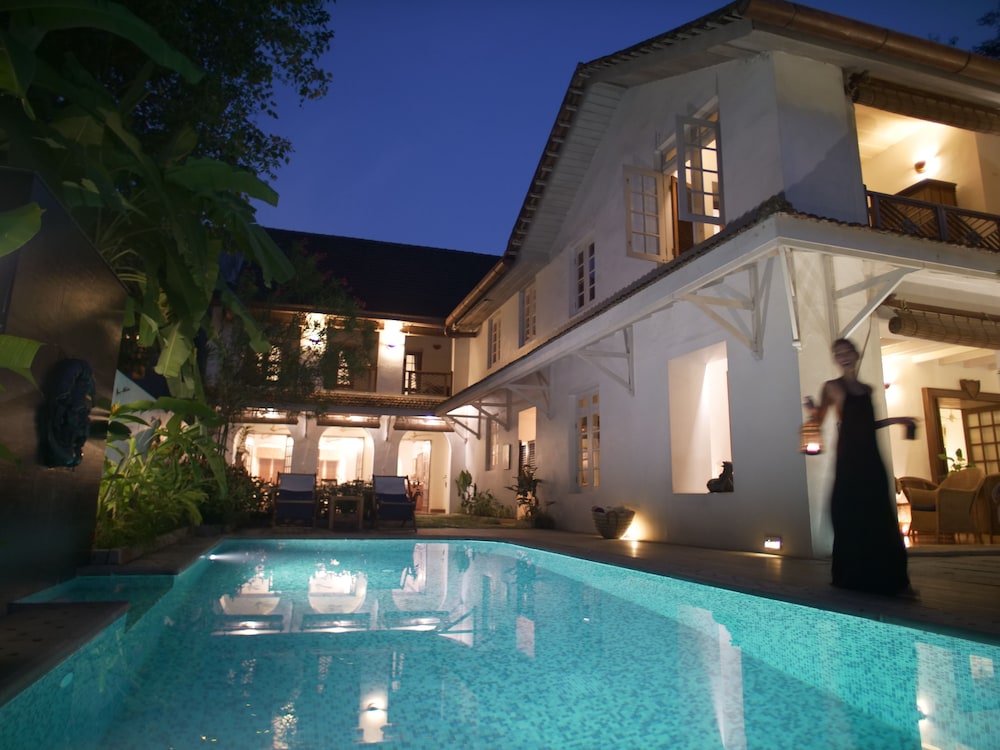
For a backwater walking holiday, staying in a homestay or small guesthouse is ideal. In Alappuzha, there is a range of options from budget to mid-range, with many properties located near the canals. Kumarakom has several upscale resorts and homestays, while Munroe Island offers a quieter, more rustic experience. If you're arriving from Malappuram or Ponnani, the drive to Alappuzha takes about 3-4 hours by road, so an overnight stay is recommended. For those coming from Thiruvananthapuram, the train to Alappuzha takes around 2.5 hours, and from Palakkad, it's about 3 hours by train. Booking in advance is advisable during peak season (December to January).
When choosing accommodation, look for places that are within walking distance of the backwaters and offer maps or guided walks. Many homestays can arrange for a local guide, which enhances the experience. It's also worth checking if the property has bicycles for rent, as cycling can extend your range. Prices vary, but budget homestays might start around ₹1,500 per night, while mid-range resorts could be ₹4,000-₹8,000. Avoid booking unverified properties; use reputable platforms or ask for recommendations. During the monsoon, some homestays close, so check beforehand. And if you're combining a backwater walk with a beach stay, consider Kovalam or Varkala, both a few hours away.
Can I walk along the backwaters without a guide?
Yes, many villages have public paths and footbridges. However, a guide can help navigate and provide context. Ask your accommodation for recommendations.
What is the best time of year for walking in the backwaters?
November to February offers dry, cool weather. Avoid the monsoon (June-August) when paths can be flooded and slippery.
Are there any entrance fees for the villages?
No, most villages are open to visitors. But some temples or churches may have restrictions or entry fees.
How do I get to Alappuzha from Thiruvananthapuram?
Trains run regularly and take about 2.5 hours. Buses are also available and take around 3.5 hours.
What should I wear for walking in the backwaters?
Light, comfortable clothing and sturdy sandals or shoes. Dress modestly when visiting religious sites.
Is it safe to walk alone?
Generally yes, but stick to main paths and avoid isolated areas after dark. Solo women should take usual precautions.
Can I combine a backwater walk with a houseboat stay?
Yes, many visitors do both. But this article focuses on walking; for boats, book separately.
What local food should I try?
Try Kerala sadya (vegetarian feast), karimeen (pearl spot fish), and tapioca. Homestays often serve home-cooked meals.