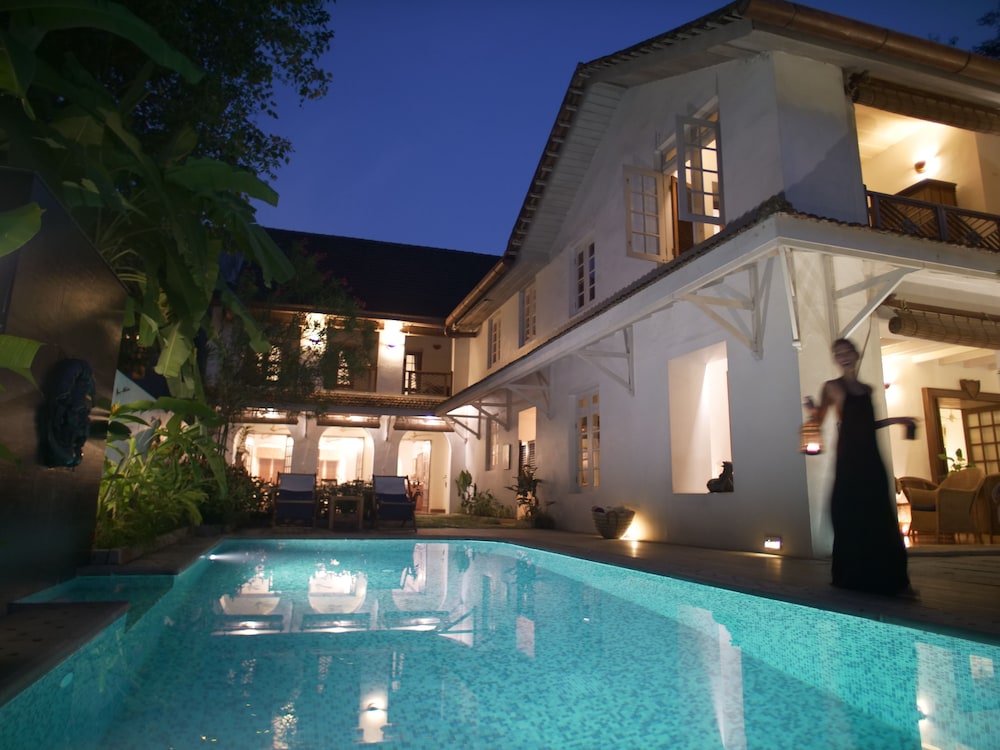



Fly into Cochin International Airport at Nedumbassery, about 40 kilometres and 60 to 90 minutes by road from Fort Kochi depending on traffic on the NH544 stretch. Give Fort Kochi two nights: the Chinese fishing nets, St Francis Church, Mattancherry Palace and the Jew Town lanes are all walkable, and the ferry across to Ernakulam costs a few rupees and beats a taxi. Stay in Fort Kochi or Mattancherry rather than Ernakulam if you want atmosphere; the trade-off is quieter evenings and fewer late restaurants.
Then take the four to five hour drive east to Munnar, roughly 130 kilometres of winding ghat road through Neriamangalam and Adimali. Two nights is right. Do the Kolukkumalai sunrise jeep trip, walk the tea estate trails around Chinnakanal and skip the much-marketed Eravikulam ticket scramble if you are short on time. Munnar town itself is traffic-choked; properties in Chinnakanal or Pallivasal are calmer. November to February is cool and clear, the monsoon months of June to August bring heavy rain and leeches on trails.
From Munnar, descend to Alappuzha, around 170 kilometres and five hours via Kottayam. This is where most first-timers get the backwaters wrong: a day cruise from Alappuzha jetty into the Punnamada stretch is pleasant but crowded. A houseboat overnight on the quieter Pamba and Achankovil feeder canals is the better booking, and one night is enough for most people — two nights on a boat can feel confining. Book a small vessel rather than a floating banquet hall, and confirm whether alcohol and air conditioning are included before you pay.
If a houseboat does not appeal, base yourself in a homestay near Kumarakom or in Alappuzha town and take a half-day country boat through the narrower canals, where you see coir-making, toddy tapping and village life without the convoy of large boats. Alappuzha beach and the lighthouse fill an afternoon. December and January are the busiest and dearest weeks, so book accommodation at least two months ahead for that window.
The drive south from Alappuzha to Varkala is about 130 kilometres, three hours on the NH66. Varkala's cliff-top path above Papanasam beach is the most sociable stretch of coastline in Kerala, with the north cliff quieter and cheaper than the south end. Three nights lets you settle. The Janardanaswamy temple and the mineral springs at the beach base are worth an hour; the day trip to Kappil backwaters or a boat to Ponnumthuruthu island suits a slow morning.
From Varkala, Thiruvananthapuram is 50 kilometres and roughly 75 minutes by road, or a short train hop to Trivandrum Central. Give the capital one or two nights: the Padmanabhaswamy temple (dress code enforced, no phones inside), the Napier Museum, the zoo and Shanghumukham beach near the airport. If you have a late flight, Kovalam is 16 kilometres from the airport and makes an easier final night than the city centre. Skip the overly commercialised Poovar boat rides unless you have a spare afternoon.
Trains on the coastal line connect Kochi, Alappuzha, Kollam, Varkala and Thiruvananthapuram cheaply and comfortably in sleeper or chair car; the hill sections need a car and driver. A hired car with driver for the full two weeks is the simplest option for groups of three or four, while solo travellers can mix trains with pre-booked hill-station transfers. Budget for mid-range hotels and homestays in the region and let the ferry and train fares keep the rest of the trip affordable.
Skip the temptation to add Kanyakumari and Coorg into a two-week Kerala trip; both stretch the driving and eat a day each way. Also skip the crowded Alleppey day-cruise-plus-beach combo sold as a package — pick one backwater experience and do it well. Best months overall are November to February for dry, warm weather; March and April are hot but quiet and cheap; the June-to-August monsoon suits ayurveda stays in Kovalam and Varkala at low rates.
How many days do I need in Kerala for a first trip?
Two weeks covers Kochi, Munnar, Alappuzha, Varkala and Thiruvananthapuram at a comfortable pace with two or three nights in each. If you have only ten days, drop the capital and finish in Varkala, which has the easier airport connection at Trivandrum.
What is the best time of year to visit Kerala?
November to February brings dry, warm weather across the coast and hills. March and April are hotter but quieter and cheaper. The monsoon from June to August is heavy, though it suits ayurveda stays and low-season rates in Kovalam and Varkala.
Is it easy to travel between the main towns without a car?
Yes on the coast. Trains link Kochi, Alappuzha, Kollam, Varkala and Thiruvananthapuram, and tickets are inexpensive. The hill route to Munnar and Thekkady needs a car and driver or a pre-booked transfer, as buses are slow and crowded.
Where should I stay in Kochi for a first visit?
Fort Kochi and Mattancherry for heritage streets, ferries and walkability, or Ernakulam for modern hotels, malls and better transport links. Most first-timers prefer Fort Kochi despite the quiet evenings and higher prices in December and January.
Is a houseboat in Alleppey worth it?
One night on a small boat cruising the quieter feeder canals is worth it. Two nights can feel confining. Check what is included, avoid the largest vessels, and consider a country-boat day trip plus a homestay as a cheaper, less crowded alternative.
How do I get from Kochi airport to Munnar?
The drive is about 130 kilometres and four to five hours via Neriamangalam and Adimali, on winding ghat roads. Pre-book a car and driver rather than relying on buses, and start early to avoid afternoon mist and slow truck traffic.
Is Varkala or Kovalam better for beaches?
Varkala has the cliff-top path, more independent cafes and a younger crowd; Kovalam is closer to Trivandrum airport and better for a final night or an ayurveda stay. For a three-night beach break mid-trip, Varkala is the better base.
What should I pack for Munnar and the backwaters?
Light cottons for the coast and a fleece or light jacket for Munnar, where evenings can be cool. Bring mosquito repellent for the backwaters, comfortable walking shoes for tea estate trails, and modest clothing that covers shoulders and knees for temples such as Padmanabhaswamy.