


In Varkala, the cliff-top strip from Papanasam Beach north to Kappil is lined with simple huts and rooms. For ₹800–1,500 a night you get a fan-cooled room with a double bed, a cold shower and a hammock on a shared veranda; air conditioning and hot water push it to ₹1,500–2,500. The trade-off is noise from nearby cafés and a 10–15 minute walk to the main beach. Book the second row back from the cliff edge for quiet and better value — the sea-view premium is rarely worth it when the view is public.
Kovalam is more built-up: Hawah Beach and Lighthouse Beach have guesthouses from ₹1,000, but the best budget cluster is around Kovalam Junction, a 10-minute walk inland, where rooms start at ₹700. Amenities are similar — fan, cold water, Wi-Fi that works in the lobby — but you are closer to buses and the local market. If you want a pool, look at resorts in Poovar, 14 km south, where off-season rates drop to ₹2,500. My pick for a first-timer is Varkala for the cliff atmosphere; Kovalam suits families who want calm water and easy transport.
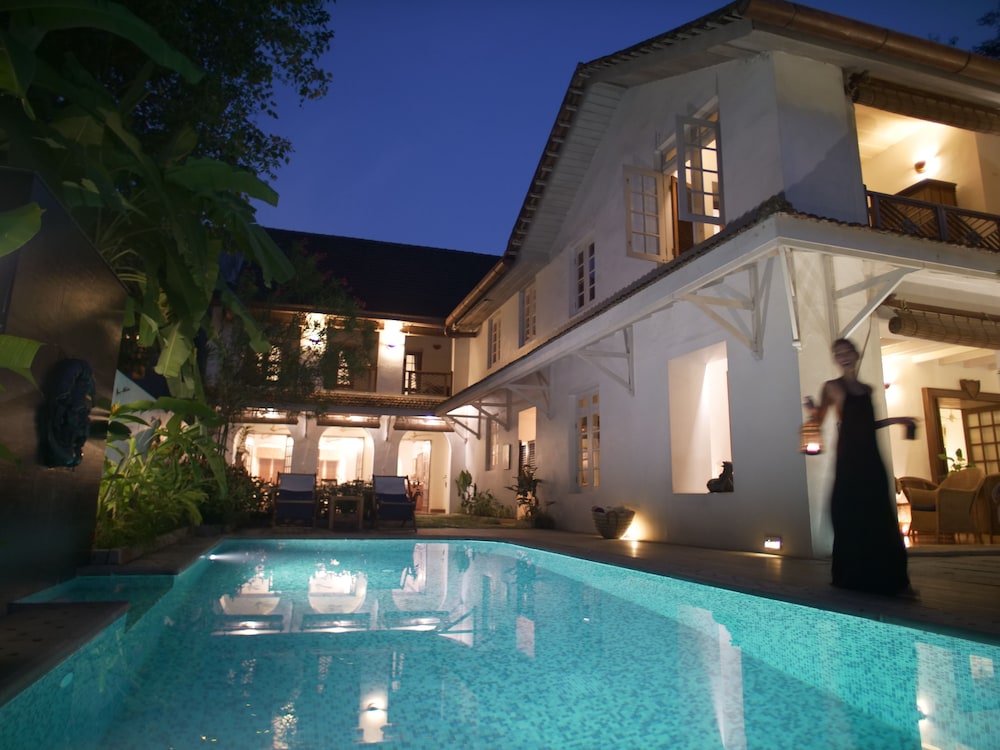
Homestays are where your money goes furthest. In Fort Kochi, a heritage homestay in a Dutch-era house on Princess Street or Peter Celli Street costs ₹1,500–2,500 including breakfast — often a Kerala spread of appam, stew and filter coffee. You get a host who arranges backwater trips and Kathakali tickets without commission. The trade-off is thin walls and early-morning temple music; light sleepers should ask for a room at the back. Book directly by phone or through the Kerala Tourism classified list to avoid platform fees, and confirm whether the price includes GST, which is 12% on rooms under ₹7,500.
In Marari, a village 11 km north of Alappuzha, homestays sit between the beach and the backwaters. Expect ₹1,200–2,000 for a room with a fan, mosquito net and home-cooked meals at ₹150–250 per dish. The beach is quiet and the seafood is excellent, but there is little nightlife and the nearest ATM is in Alappuzha. Munnar's homestays, in bungalows around Chithirapuram and Pothamedu, cost ₹1,000–1,800 and include tea-plantation views; they are cooler and quieter than beach huts, and a good choice in April–May when the coast is humid.
A ₹1,000 room in Kerala typically includes a double bed, fan, attached bathroom with bucket shower, and Wi-Fi that may only work in common areas. Air conditioning, hot water and a generator are the three upgrades worth paying for; expect to add ₹500–1,000. Beach huts in Varkala often have solar hot water, which runs out by evening. Homestays include breakfast; beach huts rarely do, but nearby cafés serve a Kerala breakfast for ₹80–150. Avoid rooms advertised as 'sea view' if they are across the road — check a map before booking.
What you don't get at this price: pools, room service, daily linen changes or reliable hot water. In Kovalam, some budget rooms near the beach are damp in the June–August monsoon; ask about ventilation. In Munnar, homestays may lack heating, so pack a fleece for December–February nights when temperatures drop to 10°C. If you need air conditioning and hot water, book a mid-range hotel in Kochi's Marine Drive area (₹2,500–4,000) and day-trip to the beaches. For most travellers, a homestay with breakfast is the better deal.
Peak season is December–February, when Varkala and Kovalam are busy and rates rise 30–50%; book two weeks ahead for the best huts. The monsoon (June–August) brings heavy rain but also 40–60% lower rates and dramatic seas — many cliff huts close in June and July, so check before booking. October–November is humid but green and quiet. For Munnar, go April–May for flowers and clear mornings; December–February is cool and busy with domestic tourists. Avoid the first week of January if you dislike crowds and inflated prices.
Book directly with homestays for the best rate, but use a hotel-booking site for beach huts to compare reviews and locations. Confirm the cancellation policy: many budget places ask for a 24-hour notice, and some take a cash deposit on arrival. Pay in rupees and ask for a GST invoice if you need one. For Varkala, search for 'North Cliff' and 'Odayam' to see quieter options; for Kovalam, 'Hawah' and 'Samudra' are central but noisy. The site's map view helps avoid a 20-minute walk to the sand.
How much does a beach hut in Varkala cost per night?
Expect ₹800–1,500 for a fan room with cold water, and ₹1,500–2,500 with air conditioning and hot water. Prices rise 30–50% in December–February and drop in the monsoon, when many huts close.
Are Kerala homestays suitable for solo travellers?
Yes, especially in Fort Kochi and Munnar, where hosts often include breakfast and local tips. Solo female travellers should read recent reviews and confirm the room location; a room at the back is quieter and more private.
What is the best month to visit Kerala's beaches on a budget?
October–November and late February–March offer good weather and lower rates than December–January. The monsoon (June–August) is cheapest but many huts close and swimming is unsafe due to strong currents.
Do budget rooms in Kerala include breakfast?
Homestays usually include a Kerala breakfast of appam, stew or idli; beach huts rarely do, but nearby cafés serve breakfast for ₹80–150. Confirm when booking to avoid surprises.
How do I get from Kochi to Varkala or Kovalam?
Varkala is a 3.5–4 hour drive (55 km by train from Ernakulam Junction, 4–5 hours). Kovalam is a 30–45 minute drive from Trivandrum airport (15 km); from Kochi it is a 4–5 hour drive or a 4-hour train to Trivandrum.
What should I pack for a budget stay in Kerala?
Pack a mosquito net or repellent, a quick-dry towel, a power bank and a light fleece for Munnar. Beach huts often provide only a sheet and pillow; homestays supply towels but not always soap.
Is it safe to swim at Varkala and Kovalam?
Swim only at lifeguarded beaches and obey flags; Varkala's Papanasam Beach has strong currents and is not ideal for swimming. Kovalam's Lighthouse Beach is calmer but still watch for rocks. Avoid swimming during the monsoon.
Can I book a Kerala homestay through a hotel-booking site?
Yes, but smaller homestays may not be listed; book directly by phone for the best rate and to confirm meals. Use the site's map view to check distance to the beach and read recent reviews for noise and hot water.