


The drive from Munnar to Kodaikanal covers roughly 160 to 170 kilometres and takes five to six hours without stops, though most people need the better part of a day. There is no direct bus, so you either hire a private car or take a bus to Theni and change. The route climbs out of Munnar through tea estates before dropping into the rain shadow around the Theni district, crossing into Tamil Nadu at Bodinayakanur. Roads are narrow and winding; expect average speeds of 30 to 40 km/h. The best months are October to March; avoid the monsoon landslides of June to August.
The first stretch from Munnar to Munnar Gap is gentle, with tea bushes rolling to the horizon. After Devikulam the road narrows and the air cools. You pass through Chinnakanal, where the landscape shifts from tea to cardamom and eucalyptus. The descent to Bodinayakanur is steep, with switchbacks and occasional waterfalls spilling onto the road. Once you cross into Tamil Nadu the scenery changes to dry, rocky hills. The last hour into Kodaikanal climbs through shola forests. If you are prone to motion sickness, sit in the front and carry water.
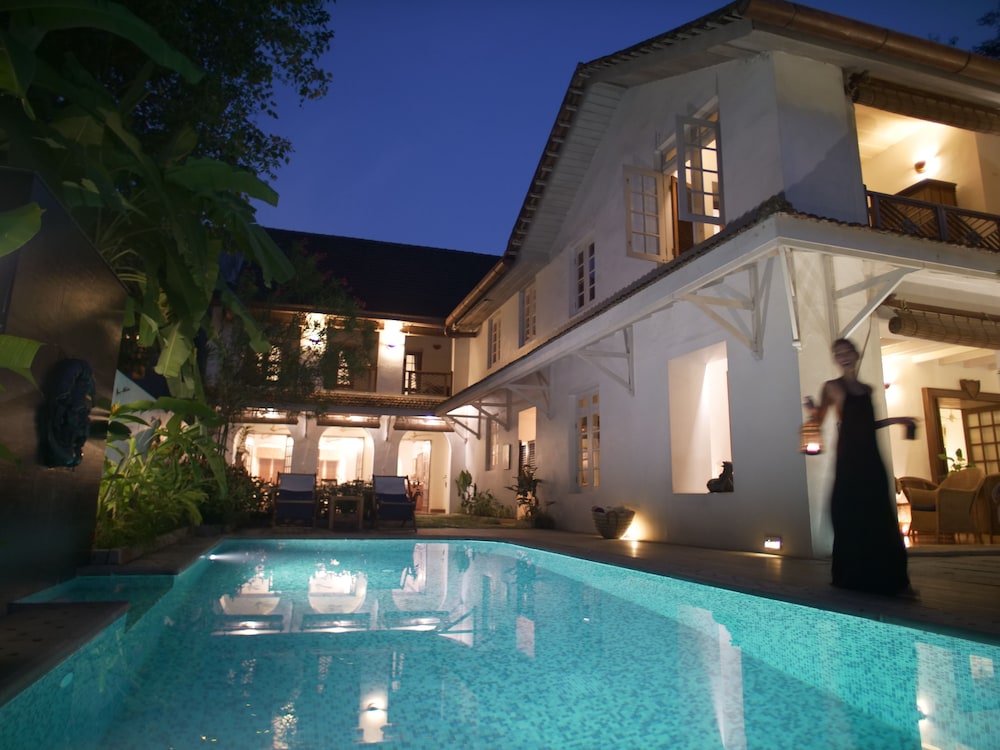
Munnar sits at 1,600 metres in the Western Ghats and is surrounded by some of the highest tea estates in the world. The town itself is a busy junction, but the real appeal is the surrounding villages: Chinnakanal, Devikulam, Pallivasal and Pothamedu. Hotels range from simple guesthouses in Munnar town to plantation bungalows in the hills. There is a good spread of properties for different budgets, though the town centre can feel crowded. If you want quiet, look at Chinnakanal, about 15 kilometres from Munnar, where several resorts sit on the edge of tea estates.
Kodaikanal, by contrast, is in Tamil Nadu and has its own charm, but for a Kerala itinerary Munnar makes more sense. It is closer to Kochi (about 130 kilometres, four hours) and Madurai (about 140 kilometres, four hours), and it connects easily to Thekkady and Alappuzha. The hill crossing itself is a great experience, but if you only have a week in Kerala, you might skip Kodaikanal and spend another day in Munnar exploring Eravikulam National Park, Top Station or the tea museum. If you do want to cross, do it as a one-way journey rather than a day trip.
There are few proper restaurants on the route. The best stops are in Munnar before you leave, or at Bodinayakanur, where you will find basic Tamil Nadu hotels serving idli and dosa. Carry snacks and water. Fuel up in Munnar; the next reliable pump is at Bodinayakanur. Mobile signal is patchy between Chinnakanal and the state border. If you are driving yourself, start by 7am to avoid afternoon mist and to have daylight for the descent. A private car with driver from Munnar to Kodaikanal typically costs between 3,500 and 5,000 rupees, depending on the vehicle and season; confirm whether tolls and permit charges are included.
There is a checkpost at the Kerala-Tamil Nadu border where you may need to show ID. Foreign nationals should carry their passport and visa. The road is generally in good condition but can be slippery after rain. If you are prone to carsickness, take precautions. The crossing is not for everyone: if you have limited time or a low tolerance for winding roads, a direct bus from Munnar to Kodaikanal (via Theni) takes seven to eight hours and is not particularly comfortable. I would book a private car or skip the crossing altogether and spend the day in Munnar.
Skip the temptation to do Munnar to Kodaikanal as a day trip; it is too long and leaves no time to enjoy either place. Also skip the crowded viewpoint at Munnar town's Tea Museum on weekends; go early on a weekday. If you are in Munnar, do not miss the Eravikulam National Park (book tickets online in advance) and the drive to Top Station for views over the Western Ghats. For accommodation, I would book a hotel in Chinnakanal or Pothamedu rather than Munnar town centre: you get more space, better views and quieter nights, and you are still within 20 minutes of the main sights.
For a Kerala trip that includes a hill station, Munnar is the logical choice. The crossing to Kodaikanal is a worthwhile adventure if you have the time and the stomach for it, but it is not essential. If you are looking for a place to stay in Munnar, consider properties in Chinnakanal with valley views, or heritage bungalows in Pothamedu. Book at least a month ahead in peak season (October to February) and confirm that your hotel has heating, as nights can be cold. For a shorter hill escape, Thekkady is an easier drive from Alappuzha and offers similar scenery.
How long does it take to drive from Munnar to Kodaikanal?
Typically five to six hours without long stops, covering around 160 to 170 kilometres. Roads are winding, so average speeds are low. Start early to avoid mist and to arrive before dark.
Is there a direct bus between Munnar and Kodaikanal?
No direct bus. You would need to take a bus to Theni and change for Kodaikanal, which takes seven to eight hours. A private car is more comfortable and faster.
What is the best time of year for this drive?
October to March offers clear skies and pleasant temperatures. Avoid the monsoon months of June to August when landslides and heavy rain can make the road hazardous.
Do I need a permit to cross from Kerala to Tamil Nadu?
No special permit for tourists, but there is a checkpost at the border. Carry ID (passport for foreign nationals) and be prepared for a brief stop.
Where should I stay in Munnar?
Chinnakanal and Pothamedu offer quieter stays with valley views, while Munnar town has more budget options. Book well ahead in peak season and confirm heating.
Is the road safe for self-driving?
The road is generally well-maintained but narrow and winding. If you are not used to hill driving, hiring a local driver is safer and less stressful.
What should I carry on the drive?
Snacks, water, motion sickness tablets if needed, and a light jacket. Fuel up in Munnar; the next reliable petrol pump is at Bodinayakanur.
Can I do the trip as a day tour?
Not advisable. The drive alone takes most of the day, leaving little time to enjoy Kodaikanal. It is better as a one-way journey with an overnight stay.