


Kerala's coastline runs roughly 580 km from Thiruvananthapuram in the south to Kasaragod in the north, and the two stretches travellers actually book behave very differently. The south — Kovalam, Varkala, Alappuzha, Kumarakom, Marari — is compact and well connected by rail and the NH66, with Thiruvananthapuram airport and Ernakulam Junction as the anchors. The north — Bekal, Kannur, Kozhikode — is quieter, greener and thinner on hotels, with Kannur and Kozhikode handling most arrivals. If you have seven to ten days, pick one coast region, not both.
For a first trip I would put four nights on the south coast and treat Alappuzha or Kumarakom as the base for backwaters rather than Alleppey town itself, which is busy and short on good rooms. Varkala's cliff is fine for two nights but the swimming is tidal and steep; Kovalam's Lighthouse Beach is safer for families. Budget roughly ₹3,500–7,000 a night for a decent mid-range room, more in December. Book by October for a Christmas arrival.
Munnar sits at around 1,600 m in Idukki district, about 130 km and four hours from Kochi by road via Muvattupuzha and Adimali — allow five in the monsoon. The last stretch from Adimali climbs through tea, and the altitude drop is real: expect 10–12°C nights in January. Wayanad, further north around Kalpetta and Vythiri, is reached from Kozhikode in about two hours and suits anyone flying into Karipur. Thekkady, near Kumily, is not a hill station in the same sense but sits at 900 m and works as a bridge between Munnar and the backwaters.
Hills cost more in time than money. A Munnar–Alappuzha transfer is around five hours; Wayanad–Kochi is five to six. Do not attempt more than one hill base in a week. I would choose Munnar over Wayanad for a first visit — the tea estates around Mattupetty and Top Station are the image most people come for — and choose Wayanad for a second trip, when the quieter roads and the Edakkal caves appeal more than the viewpoints. Rooms run ₹4,000–9,000 in season, higher at New Year.
The sensible shape is coast first, hills second, ending near an airport. Fly into Thiruvananthapuram, take two nights at Kovalam, move to Alappuzha or Kumarakom for two, then cross to Munnar via Kottayam and Adimali — a long day, so leave by 7 am. Finish with a night in Fort Kochi before flying out of Kochi. That itinerary stays inside a triangle of about 300 km and avoids the common mistake of trying to reach Wayanad from Varkala, which is a nine-hour drive.
If your dates are fixed by a flight into Kozhikode, reverse it: Wayanad first, then the Malabar coast around Kannur and Bekal. Note that demand on our own site is heaviest for Thiruvananthapuram, Alappuzha, Malappuram and Ponnani, so those areas book out first around Onam and the December holidays — reserve earlier than you would for Wayanad. Skip Kanyakumari as a day trip from Kovalam; it is in Tamil Nadu and eats a full day for a sunrise.
The hills and the coast have different best months. November to February suits both: dry, 28–32°C on the coast, cold at night in Munnar. March and April are hot on the plains but still pleasant above 1,200 m. The southwest monsoon from June to August is dramatic in the hills — waterfalls, mist, leeches on the trails — and rough on the coast, where many Varkala and Kovalam hotels close. September and October bring the northeast monsoon to the south coast; Munnar often stays clear.
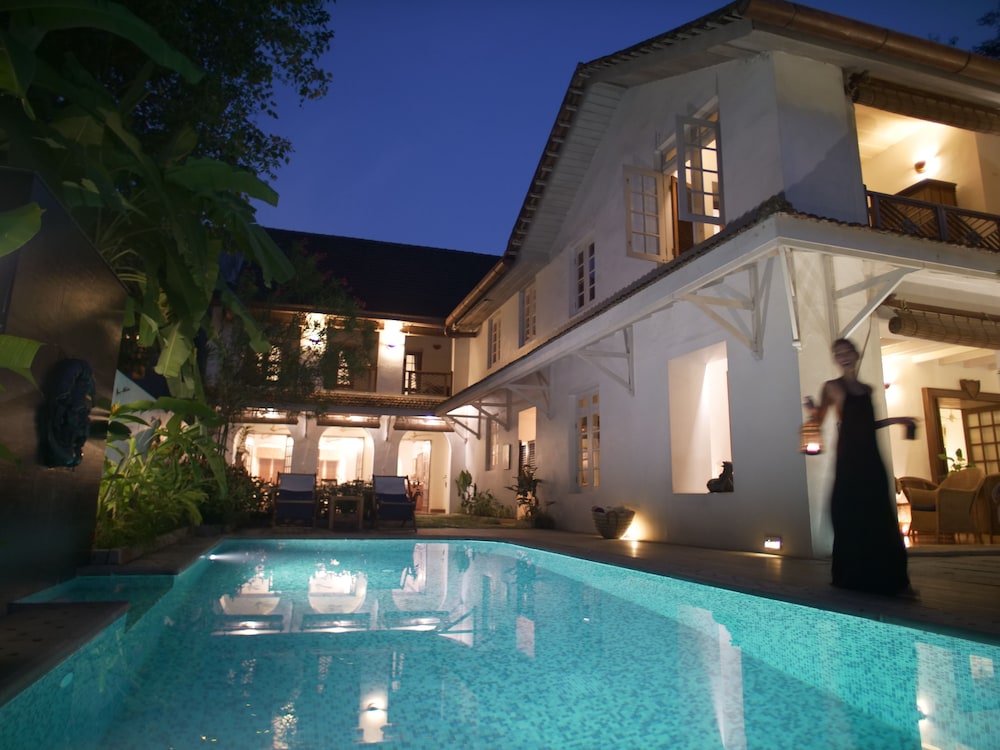
Two things I would skip. First, the houseboat-and-hotel double booking: one night on a houseboat from Alappuzha is enough for most people, and a second is better spent in a land hotel with a pool near Marari. Second, the Ooty or Kodaikanal add-on — both are in Tamil Nadu and add a full day of driving without adding anything Kerala does not already give you. Keep the trip in one state and you will see more of it.
How many nights should I give Munnar?
Two nights is the useful minimum — one full day for the tea estates and Top Station, one for Eravikulam and Mattupetty. Three lets you add a plantation walk without rushing. One night is not worth the four-hour drive each way.
Is it better to base in Alappuzha or Kumarakom for the backwaters?
Kumarakom is quieter, greener and has better resort rooms; Alappuzha has more choice at lower prices and the main houseboat jetty. For a single night on the water, Alappuzha. For three nights with a pool and no agenda, Kumarakom.
Can I do Kerala's coast and hills without a car?
Partly. Trains link Thiruvananthapuram, Kollam, Alappuzha, Ernakulam and Kozhikode well. The hills need road transport — buses run to Munnar from Ernakulam and Kottayam, but a hired car with driver, roughly ₹3,000–4,500 a day, saves hours.
What should I pack for Munnar in December?
Layers. Days sit around 20–23°C and nights drop to 10–12°C, and unheated rooms feel colder than the number suggests. A light fleece, long trousers for the tea trails and shoes with grip for wet paths cover it. Leave the heavy winter coat at home.
How long is the drive from Kochi to Munnar?
About 130 km, four hours in good conditions via Muvattupuzha and Adimali, five in rain or holiday traffic. The road narrows after Adimali. Leaving Kochi after 9 am usually means arriving in the dark in December, so start early.
Where can I swim safely on the Kerala coast?
Kovalam's Lighthouse Beach and the stretch at Marari have lifeguards in season and gentler gradients. Varkala's cliff beaches have strong undertow and rocks. Ask at your hotel about the current before swimming anywhere, and avoid river mouths after rain.
Does the monsoon ruin a hill trip?
It changes it rather than ruining it. June to August brings heavy rain, mist and powerful waterfalls around Munnar, with lower room rates and fewer crowds. Trails get muddy and leeches appear. Pack rain gear and keep a day spare for road delays.
Should I book hotels before I arrive?
For December, January and the Onam period, yes — particularly in Thiruvananthapuram and Alappuzha, where our searches concentrate. Outside those windows you can book a first night and decide the rest as you go, which suits a coast-and-hills trip where weather may reshuffle the order.