


Kollam town spreads from the Kollam Junction railway station and the KSRTC bus stand down to the boat jetty at the mouth of Ashtamudi Lake. Sleeping here puts you within a short walk of the main shopping streets and the ferry terminus for the eight-hour Kollam–Alappuzha backwater service, which leaves in the morning and is one of Kerala's great but unsung journeys. Rooms in the modest city hotels near the station run roughly in the budget to mid range, while the handful of proper business-style properties on the Chinnakada side sit a step above that.
The trade-off is honesty over scenery: this is a working Keralan city, with cashew and coir processing among its old industries, and the lanes around Chinnakada are loud and dust-blown from morning to night. Choose town if your visit is short, if you are changing trains, or if you want to reach Thenmala, the Kulathupuzha forests and the hills along the Western Ghats on a day trip — most of those drives start from here, from about an hour to two hours by road depending on the destination.
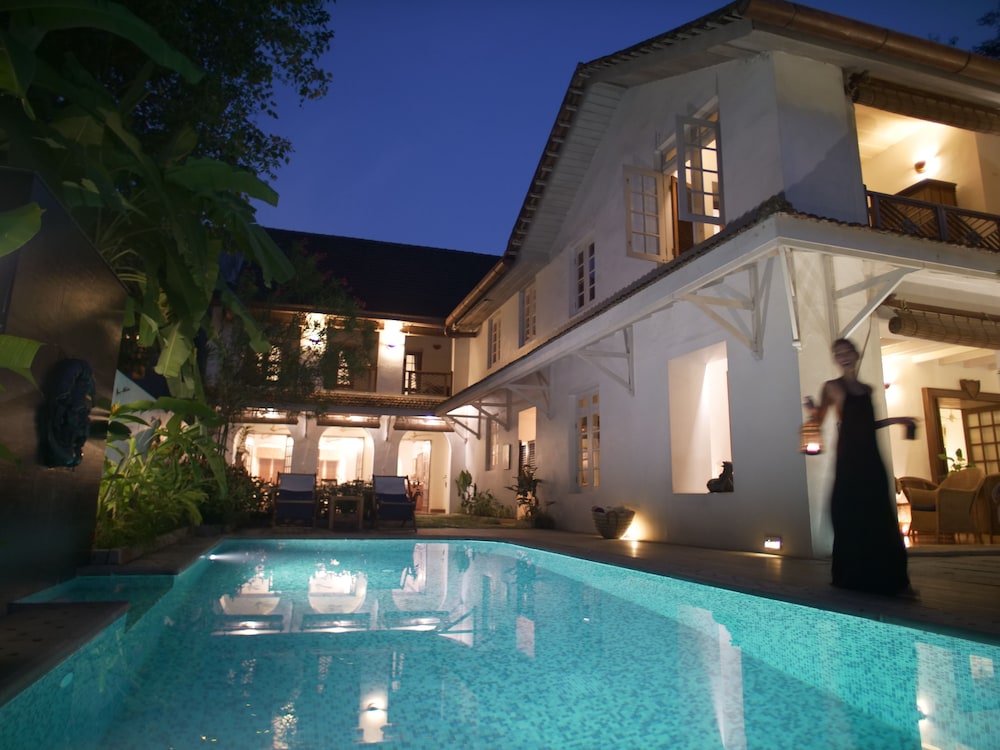
The eight-armed Ashtamudi Lake stretches south and east of town, and its quieter western and eastern banks around Kumbalathumukku, Munroe Island and Thevalakkara hold the region's best-loved homestays and small resorts. Staying lakeside buys you still mornings, birdsong, a borrowed canoe or a houseboat moored at your door, and sunsets that make Kollam worth the detour. Munroe Island, a short drive east and then a ferry hop, is a favourite for canal walks and village life. Rates climb from simple homestay rooms to boutique backwater properties, with the pricier end clustered where the lake narrows.
Two practical points matter. First, mosquito protection is the one thing you will be glad you packed; the backwater edge bites at dusk. Second, transport: the lakeside is not walkable to town, so factor in a taxi or an auto-rickshaw for the ten-to-twenty-minute run to Kollam Junction, and stock up on cash and essentials before you settle in. Book the lake if the stay itself is the point of your trip.
Kollam's coastline faces the Arabian Sea south of the town, covering the Kollam beach stretch and down through Thanni to Paravur further south, where the lake, sea and river meet. This is where the region's sea-facing resorts cluster — a mix of mid-range and upmarket properties with pools and long beach walks. The sea is dramatic and lovely, but it is also a working coast of fishing villages, and currents are strong at points of the year. The south-west monsoon, roughly June to September, brings heavy rain and rougher seas along with the region's best hotel rates; the settled months from November to February are the sweet spot for warmth without discomfort.
A coastal stay suits anyone who wants to swim or simply watch the water and is content to do less. If you want to taste the region, use the season: the local calendar around the Kollam coast and lake includes temple festival parades and the celebrated boat race at Thanni, usually timed near Onam, which is worth checking before you book. My own choice for a mixed trip would be two nights on Ashtamudi and two by the sea, using town only to catch the backwater ferry and a train.
Do I need a car to stay in Kollam?
Not strictly. Kollam Junction station and the bus stand sit within walking distance of town hotels, and auto-rickshaws cover most short hops. Lake and coastal stays sit outside town, so plan on autos or a hired car for errands and the ferry.
When is the best time to visit Kollam for the backwaters?
The settled months from November to February bring gentler temperatures and dry weather, when the lake, canals and beaches are most comfortable. June to September brings monsoon rain and lower hotel rates, but some boat and beach activities pause or slow down.
How long should I stay in Kollam?
Three nights allows a backwater boat trip, a coastal day and, for the energetic, a Western Ghats excursion to Thenmala or Kulathupuzha. One night only really works if you are using Kollam as a stopover between Alappuzha and Thiruvananthapuram by train.